
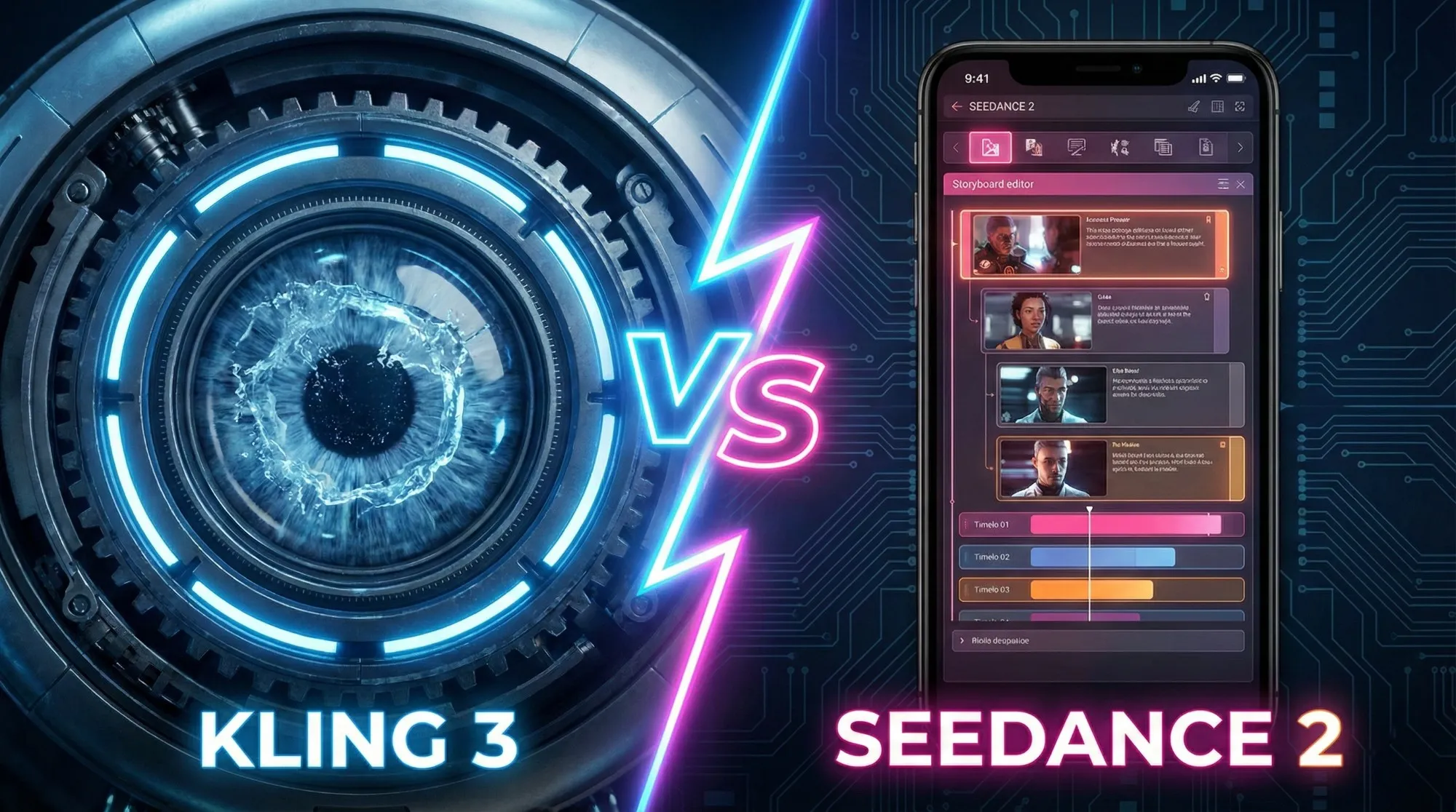
Kling 3 vs Seedance 2: The Definitive Tech Report & Comparison (2026)
2026 marks the historical pivot point for Generative Video. We have officially crossed the chasm from "Probability Lottery" (rolling the dice and hoping for a good video) to the era of Deterministic Orchestration.
Two giants stand at the summit of this new world: Kuaishou's Klingai (with the release of Kling 3) and ByteDance's Jimeng (launching the revolutionary Seedance 2).
For professional creators, the question is no longer "which one creates better video?" but "which AI video architecture fits my production pipeline?"
In this exhaustive 2,500-word analysis, based on the latest 2025-2026 ecosystem data, we pit Kling 3 vs Seedance 2 in a battle of philosophies. We will also revisit the legacy workhorses, Kling 2.6 and Seedance 1.5, to help you find the most cost-effective solution.
The Philosophical Divergence: World Simulator vs. Narrative Engine
Before we dive into pixels and resolution, we must understand the DNA of these tools. They are not trying to do the same thing.
Kling 3: The Physics Simulation Engine
Kling 3 Video approaches generation like a physicist. Its goal is to build a "Digital Twin" of the real world.
- Core Logic: It simulates continuous space-time logic. It understands gravity, inertia, material reflection, and fluid dynamics.
- Technical Backbone: This is powered by what engineers call the Unified MVL Framework (Unified Multimodal Visual Language), allowing it to calculate light and mass with terrifying accuracy.
- Best For: High-end VFX, cinematic B-roll, and scenes requiring absolute physical realism (e.g., water splashing, cars drifting).
Seedance 2: The Intelligent Editing System
Seedance2 (often referred to as Jimeng 2.0) approaches generation like a TikTok editor. It leverages ByteDance's massive short-video dataset to master "Visual Rhythm."
- Core Logic: It focuses on multi-shot assembly, transitions, and aesthetic beauty. It prioritizes "looking good" over "physically accurate."
- Best For: Music videos, social media content, character storytelling, and commercials that need to be catchy.
Kling 3 vs Seedance 2: The Flagship Showdown
Let's break down the Kling 3 vs Seedance 2 comparison across the metrics that matter most to professionals.
1. Visual Fidelity: The Battle of 4K vs Efficiency
This is the biggest misconception in the market. Many assume all models target the same resolution, but our technical report reveals a strategic split.
Kling 3 (The Visual Spectacle): Kling3 is the beast designed for the big screen. It supports native 4K resolution at 60fps.
- It is built for "Pixel-Peeping." You can zoom in and see the texture of skin pores or the weave of a fabric.
- Architecture: It utilizes heavy computation to resolve fine details, making it the choice for TV commercials and film production.
Seedance 2 (The Mobile Efficiency King): Jimeng Seedance made a conscious choice to optimize for 2K (1080p Standard).
- Why? Because 90% of content is consumed on phones. Seedance Video sacrifices raw pixel count for rendering speed and multi-modal calculation. It generates faster and looks "sharper" on mobile screens due to high-contrast aesthetic tuning.
2. Consistency: Object Permanence vs Character ID
This is where the two diverge significantly in their "Director" capabilities.
Kling 3: Director Memory (Object Permanence) Kling 3 ai excels at maintaining the world state. If a car drives behind a tree, the Director Memory mechanism remembers the car is there. It maintains the rigid structure of the world for long shots (up to 60 seconds).
- Verdict: If you are filming a car chase or a drone shot of a city, use Kling 3.
Seedance 2: Multimodal Reference System (Character ID) Seedance2 focuses on the actor. Using its new Multimodal Reference System, it allows you to input up to 12 reference files (images of the face, clothes, and even depth maps).
- Verdict: If you are filming a fashion model or a narrative film where the actress needs to look identical in 10 different shots, Jimeng AI is superior.
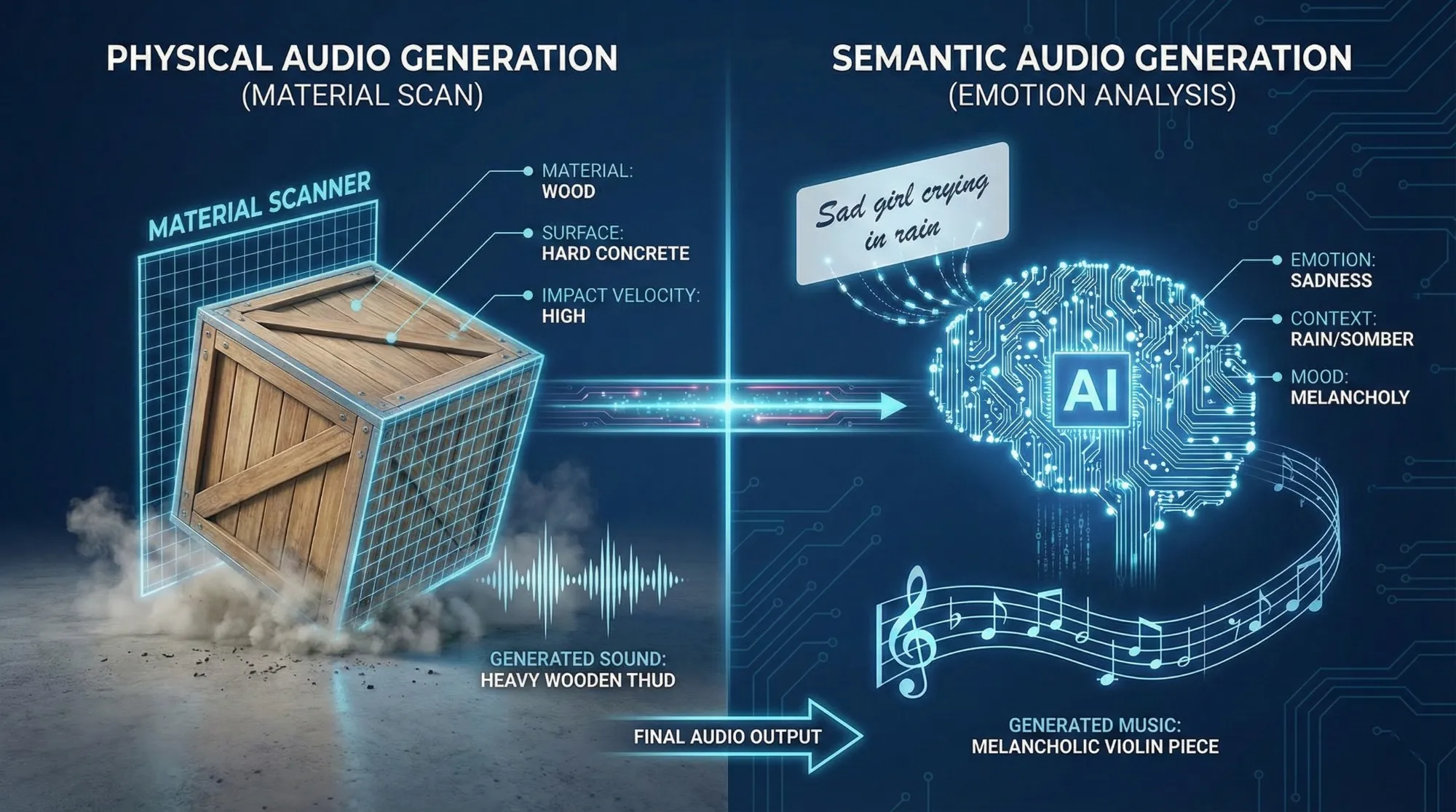
3. Audio Generation: Material vs. Semantic
Both models generate audio, but the underlying logic is fascinatingly different.
Kling 3 Audio: Material Recognition Klingai 3 "looks" at the video and simulates the sound based on physics.
- Example: It detects "Wood" hitting "Concrete" and generates a specific thud. It detects "Glass" shattering and calculates the high-pitch frequency.
- Strength: Unmatched realism for Foley (sound effects) work.
Seedance 2 Audio: Semantic Understanding Seedance Video, utilizing Joint Audio-Visual Generation, understands the emotion and context.
- Example: If you prompt "Sad girl crying in rain," it generates a melancholic violin track that matches the mood, not just the sound of rain drops. It understands the "vibe."
The Legacy Battle: Kling 2.6 vs Seedance 1.5
Why talk about older models? Because cost efficiency matters. Not every project needs the nuclear power of version 3.0.
Kling 2.6: The Reliable Workhorse
Even with Kling 3 out, Kling 2.6 remains the industry standard for general-purpose generation.
- Pros: Stable, predictable, and cheaper per credit than Kling3.
- Use Case: Stock footage generation, background visuals.
Seedance 1.5 Pro: The "Instruction Master"
Seedance 1.5 (specifically the Pro version) has a secret weapon: Complex Instruction Following.
- While Kling sometimes ignores complex acting directions, Seedance 1.5 Pro ranks #1 in adhering to multi-step acting prompts.
- Example Prompt: "The girl smiles, then suddenly looks terrified, then bursts into tears."
- Seedance 1.5 handles this emotional transition better than almost any other model, making it a favorite for drama creators on TikTok.
Deep Dive: Prompt Engineering Differences
Because their architectures differ, your prompting strategy must adapt.
Prompting for Klingai (3.0 & 2.6): You must think like a Director of Photography.
"Wide angle shot, 35mm lens, f/2.8 aperture, natural lighting, ray tracing reflections, physics-accurate water simulation." Kling 3 ai respects optical terminology.
Prompting for Jimeng (Seedance 2 & 1.5): You must think like an Art Director or Editor.
"Cyberpunk vibe, neon color palette, fast transition, dynamic camera movement, trending style, high aesthetic quality, 4k." Seedance Video responds to "vibe" keywords better than technical camera specs.
Workflow Scenarios: Which Tool Should You Choose?
To help you decide between Kling 3 vs Seedance 2, we have mapped out three common user personas based on our technical report.
Scenario A: The Documentary Filmmaker
- Task: Creating a historical reenactment of 1920s New York.
- Choice: Kling 3.
- Why: You need the buildings to obey perspective laws. You need the smoke from steam engines to behave like real smoke (Physics Engine). Seedance 2 might make it look "too pretty" or cartoonish. Klingai delivers the grit and reality.
Scenario B: The Commercial Producer
- Task: A 15-second sneaker commercial synced to a hip-hop beat.
- Choice: Seedance 2.
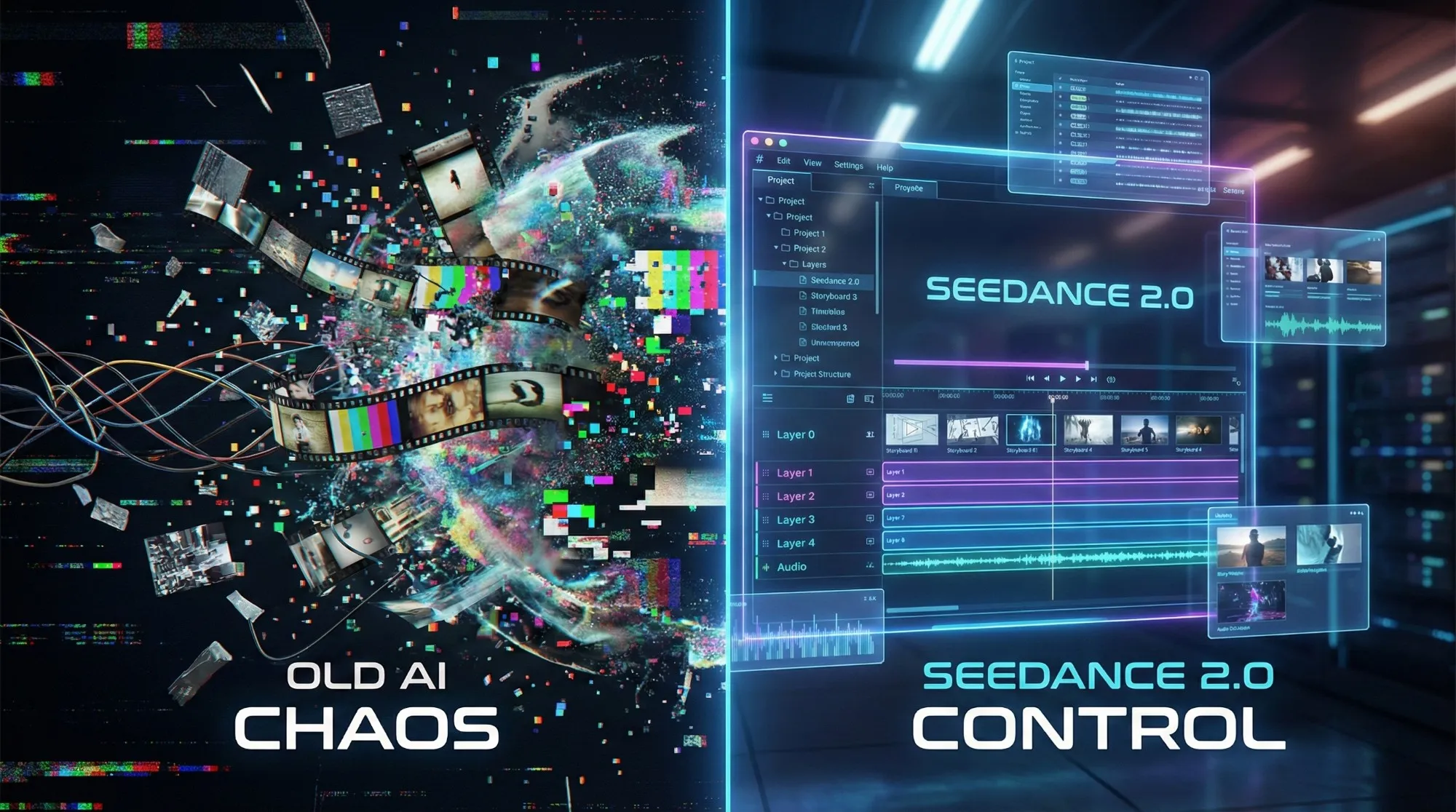
- Why: Control is key. You need to lock the shoe's appearance using the Multimodal Reference System and cut on the beat. Jimeng 2.0's timeline editor allows you to swap the background without morphing the shoe.
Scenario C: The Social Influencer (Drama)
- Task: An AI avatar performing a complex skit with mood swings.
- Choice: Seedance 1.5 Pro or Seedance 2.
- Why: The Instruction Following capability ensures the character acts exactly as written. Plus, the rendering style naturally fits the TikTok/Reels algorithm preferences (high saturation, beauty filters).
Conclusion: The Era of Specialization
The battle of Kling 3 vs Seedance 2 is not about one being "better" than the other. It is about specialization.
- Choose Klingai 3 if you want to Simulate a World in 4K.
- Choose Jimeng Seedance 2 if you want to Tell a Stylized Story efficiently.
The days of one model ruling them all are over. The smartest creators in 2026 will subscribe to both, using Kling 3 text to video for their base reality and Seedance video for their character work.
Ready to build your AI Studio? We track the latest updates for both ecosystems. Whether you are Team Kling or Team Seedance, find the best prompts and guides right here at Kling 2.6.
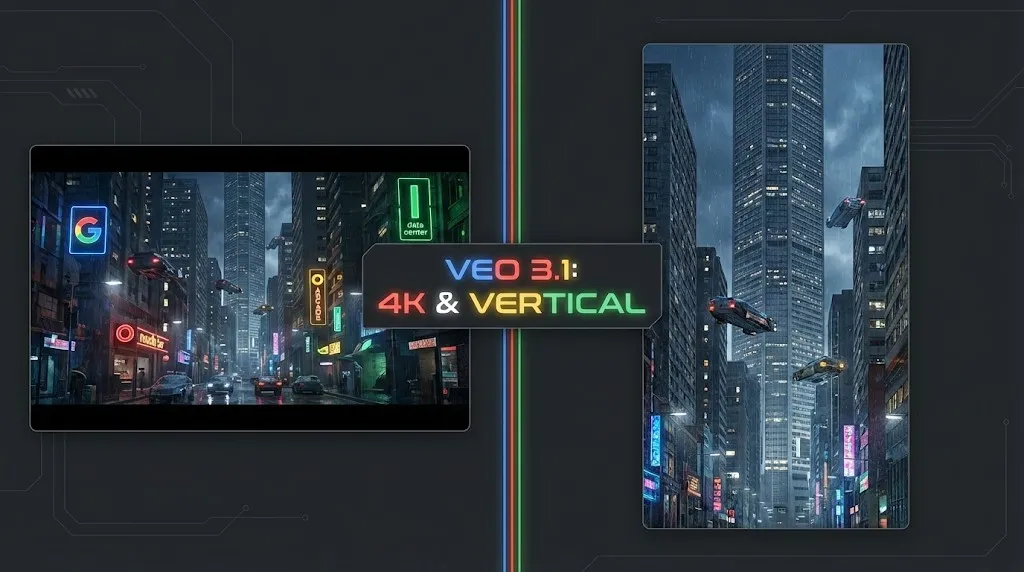
Veo 4 vs Seedance 2.1: Why the Next AI Video War May Be About Cost, Not Cinematic Quality
Seedance 2.1 is reportedly close, Veo 4 is widely expected around Google I/O, and Gemini Omni Flash has appeared inside Flow. The real question is no longer who looks most cinematic, but who lowers the cost of stable, usable output.
Seedance 2.1 May Be Coming Soon: Reported 20% Quality Gain, Cheaper Tier, and What Creators Should Watch
Seedance 2.1 is reportedly close to launch, with claims of a 20% quality improvement and a cheaper Seedance 2.0 tier. Here is what seems known, what is still unconfirmed, and why the update matters.
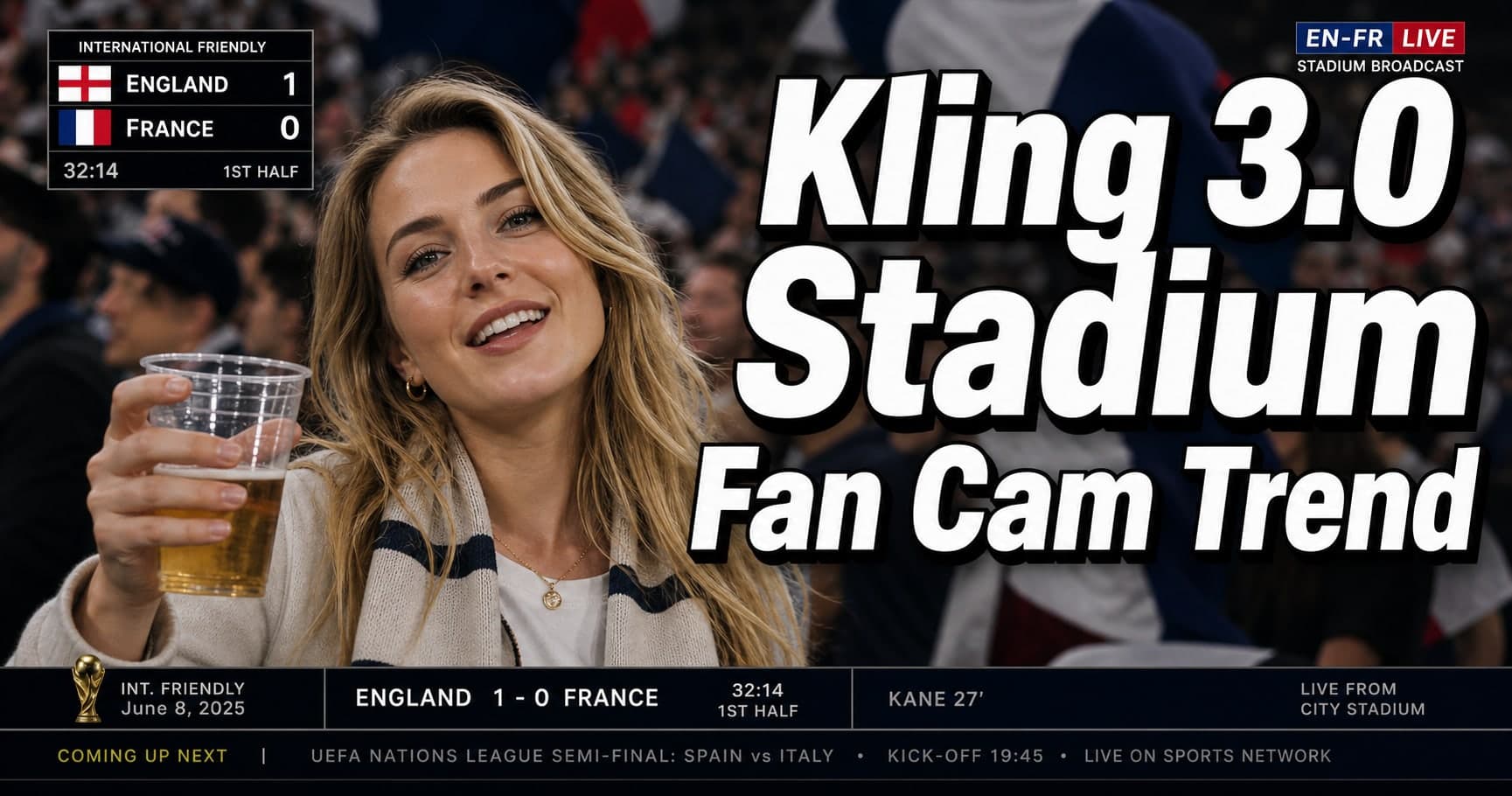
Kling 3.0 Stadium Fan Cam Trend: How to Prompt a Real Broadcast Look
A practical prompt blueprint for the Kling 3.0 stadium fan cam trend: broadcast realism cues, failure fixes, and a safe comparison plan.
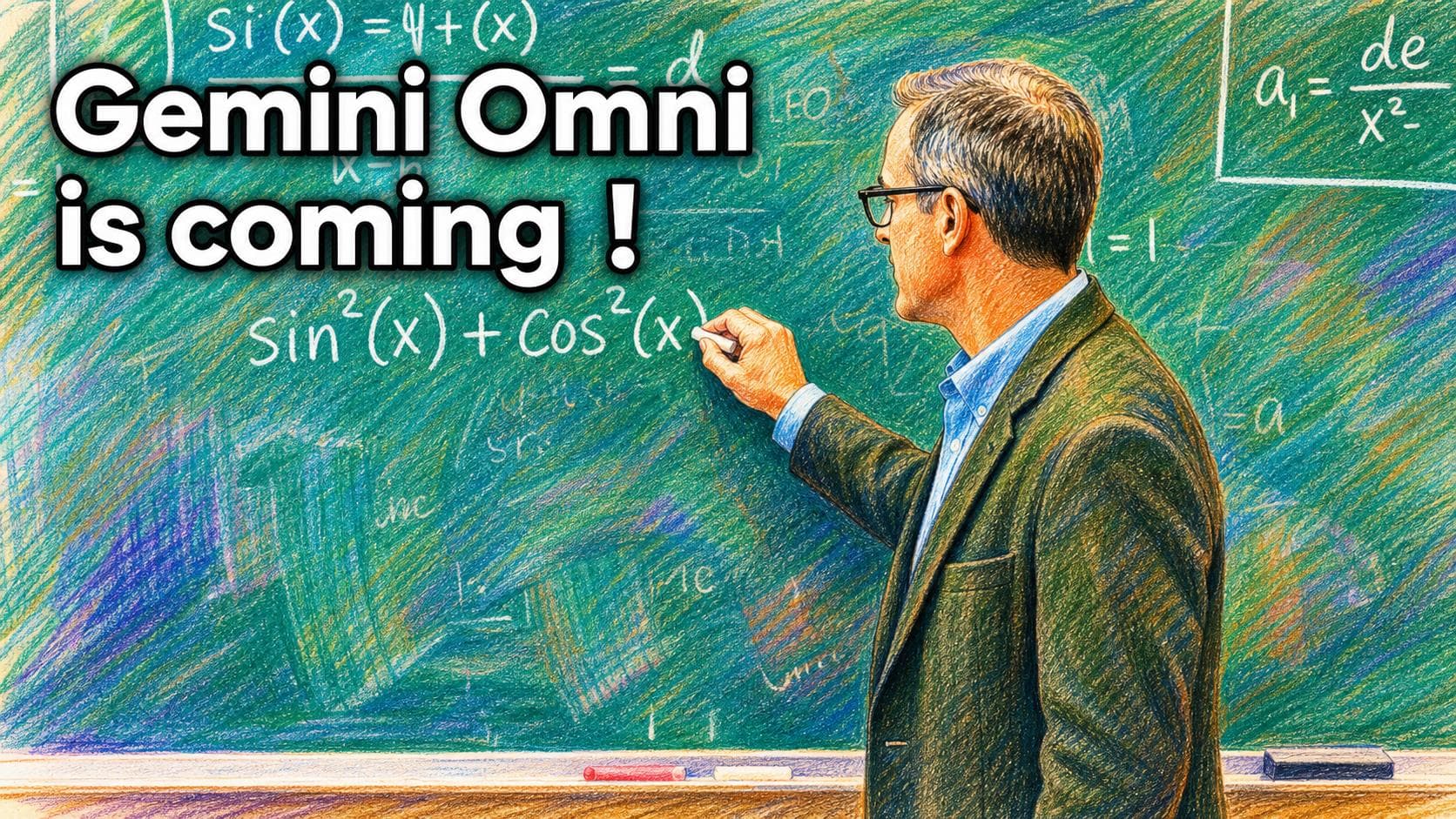
Gemini Omni model: What It Is (and How to Build Safely While It’s Still Unclear)
A practical guide to the Gemini Omni model rumor cycle: what’s confirmed, what’s not, and how to ship video features safely using Veo 3.1 today.
Kling 3 4k Cost Routing
SEO-friendly description for search engines
Kling 3 4K Multi-Shot Consistency: Lock Sheets, Shot Rules, and a Ship-Pass Workflow
SEO-friendly description for search engines
Kling 3 I2V 4K vs T2V 4K: What Ships Cleaner (and What Iterates Faster)
SEO-friendly description for search engines
Kling 3.0 vs HappyHorse 1.0: A Production-First Comparison (Quality, Control, Audio, API)
A production-first Kling 3.0 vs HappyHorse 1.0 comparison: what sources claim, how to read leaderboards, a 30-minute evaluation harness, and a decision matrix for short-form teams.