
How to Optimize Seedance 2.0 Costs: A Developer's Guide to 50% Savings
How to Optimize Seedance 2.0 Costs: A Developer's Guide to 50% Savings
The Economics of Generative Video
With the official Seedance 2.0 pricing now live at 1 RMB per second, the barrier to high-end cinematic AI video has been dismantled. However, in a professional production environment, raw accessibility is only half the battle. To remain competitive in 2026, creators must move beyond "trial and error" and master the fiscal logic of the Seedance 2.0 AI Video engine.
Without a clear optimization strategy, your Seedance 2.0 API costs can quickly escalate, eating into your project's margins. In this guide, we will analyze the Seedance 2.0 price structure from a developer's perspective and provide a proven framework to achieve professional 4K results for a fraction of the usual cost. Whether you are scaling a social media agency or integrating Seedance 2.0ai into a complex industrial workflow, these strategies will help you achieve a 50% reduction in wasted credits.

1. Decoding the Seedance 2.0 Cost Model: Per-Second vs. Tokens
To save money, you must first understand the billing granularity of the Volcano Engine, which powers the Seedance 2.0 generator.
1.1 The "1 RMB Per Second" Predictability
For creative workflows that rely on reference-based video editing or localized character consistency, the price is effectively pegged at approximately 1 RMB per second. This is a "stabilized" cost model designed for commercial clarity. A 10-second high-fidelity sequence in Seedance2.0 costs roughly 10 RMB, offering far better budget predictability than the variable "compute-time" models of earlier AI tools.
1.2 The Token-Based API Advantage
For high-volume automation, the Seedance 2.0 API utilizes a token-based system priced at 46 RMB per million tokens.
- Input Efficiency: Seedance 2.0 is highly efficient at compressing multimodal inputs, meaning your prompt and reference image overhead is lower than in 1.0 versions.
- Output Precision: A 5-second 720p clip typically consumes around 102,960 tokens.
By understanding these numbers, users of the Seedance 2.0ai engine can calculate their exact "Cost per Usable Second" (CPUS) and adjust their production scale accordingly.
2. The "Draft-Lock-Final" Strategy: Cutting Costs by 90%
The biggest drain on any Seedance 2.0 pricing budget is "rerolling"—generating the same prompt multiple times because the motion or character wasn't quite right. To avoid this, we recommend the following three-stage workflow.
Stage 1: The Low-Res Motion Draft
Never initiate a generation at 4K resolution. Use the Seedance 2.0 generator in 720p mode for initial motion testing. This allows you to verify the physical dynamics of the scene (e.g., how a character moves or how water splashes) at a fraction of the token cost.
Stage 2: The Multi-Reference Lock
Once the motion is satisfactory, utilize the Seedance 2.0ai multi-reference feature. You can upload up to 12 reference assets to "lock" the visual identity. This prevents the model from drifting and ensures the Seedance 2.0 price you pay for the final render results in a 100% usable clip.
Stage 3: The High-Fidelity Final Render
Only when the motion and style are locked should you switch to 4K. This "surgical" approach to using the Seedance 2.0 API ensures that your high-cost renders are never wasted on experimental physics.
3. Seedance 2.0 vs. Sora: Why ROI Favors the New Model
When comparing is seedance 2.0 better than sora, the discussion often centers on artistic flair. However, for a production studio, the decision is purely economic.
- API Accessibility: The Seedance 2.0 pricing is public and scalable via Volcano Engine, whereas Sora 2 often requires opaque enterprise negotiations.
- Credit Value: At current rates, the Seedance 2.0ai video generator allows for 2x to 3x more generation volume for the same capital outlay compared to Western high-end counterparts.
- Local Optimization: For creators in Asia and Europe, the Seedance 2.0 generator provides localized data centers that reduce latency and potential "timeout" token waste.
4. Scaling Production: Subscription Tiers vs. Pay-As-You-Go
Depending on your monthly output, the Seedance 2.0 price varies across different access points.
Consumer Platforms
Apps like Jimeng offer monthly subscriptions starting around $9.90, which is ideal for solo creators testing the Seedance 2.0ai video maker.
Professional API
For developers, the Seedance 2.0 API offers a pure pay-as-you-go model. This is the most cost-effective path for those generating over 500 seconds of video per month, as it eliminates the "monthly overhead" of unused subscription credits.
5. FAQ: Navigating Hidden Seedance 2.0 Expenses
Q: Does the use of 12 reference images increase the token cost?
A: Yes, each reference image adds to the input token count. However, the cost of these additional tokens is significantly lower than the cost of a failed generation without references.
Q: How can I monitor my Seedance 2.0 API usage in real-time?
A: The Volcano Engine console provides real-time token tracking. Most pro users set "Hard Caps" to ensure their Seedance 2.0 pricing stays within a pre-defined monthly budget.
Q: Is Seedance 2.0 better than sora for long-form content?
A: Seedance 2.0 is optimized for 5-15 second segments that can be seamlessly stitched. While Sora 2 handles longer continuous shots, the Seedance 2.0 price for multiple short segments is often more cost-efficient for commercial editing.
6. Engineering Resilience: Handling Seedance 2.0 API Edge Cases
Beyond the standard "Draft-Lock-Final" workflow, professional users of the Seedance 2.0 API must implement technical guardrails to prevent "Zombie Credits"—tokens spent on failed or timed-out requests. While the Seedance 2.0 price is highly competitive at 46 RMB per million tokens, engineering inefficiencies can easily inflate your effective Seedance 2.0 pricing by 15% to 20%.
Implementing Intelligent Retries
When using the Seedance 2.0 generator, network fluctuations can occasionally cause 5xx errors from the Volcano Engine gateway. Instead of a blind retry, we recommend an "Exponential Backoff" strategy. This ensures that you don't flood the Seedance 2.0ai endpoint during peak hours, which can lead to redundant billing for incomplete inference cycles.
Cross-Model Synergy (Seedance 2.0 vs. Nano Banana 2)
To maximize ROI, elite studios use a "Multi-Model Pipeline." For instance, use the Nano Banana 2 generator to create the high-fidelity keyframes and architectural backgrounds for just $0.067/1K images, then feed those images into the Seedance 2.0ai video maker as reference assets. This hybrid approach utilizes the strengths of both models, ensuring the Seedance 2.0 price you pay is focused solely on motion and temporal consistency rather than static pixel generation.
Monitoring Token Velocity
The Seedance 2.0 ecosystem allows for granular observability. By setting up a "Token Velocity Alert" via your cloud dashboard, you can catch runaway loops in your automated scripts before they consume your entire monthly Seedance 2.0 generator quota. This proactive management is what separates profitable AI agencies from those struggling with unpredictable overhead. Whether you call it Seedance2.0 or the Seedance 2.0ai engine, the goal remains the same: high-fidelity output with a low-fidelity bill.
Conclusion: The New Economy of AI Filmmaking
The arrival of the Seedance 2.0 1 RMB/sec era marks the end of "exclusive" AI video. By adopting the "Draft-Lock-Final" workflow and leveraging the token-based Seedance 2.0 API, creators can now produce studio-quality content without a Hollywood budget. To experience the future of cost-efficient video production, start optimizing your Seedance 2.0 generator settings.
Ready to cut your AI video costs in half? Explore our Seedance 2.0 Pro Guide for advanced optimization techniques.
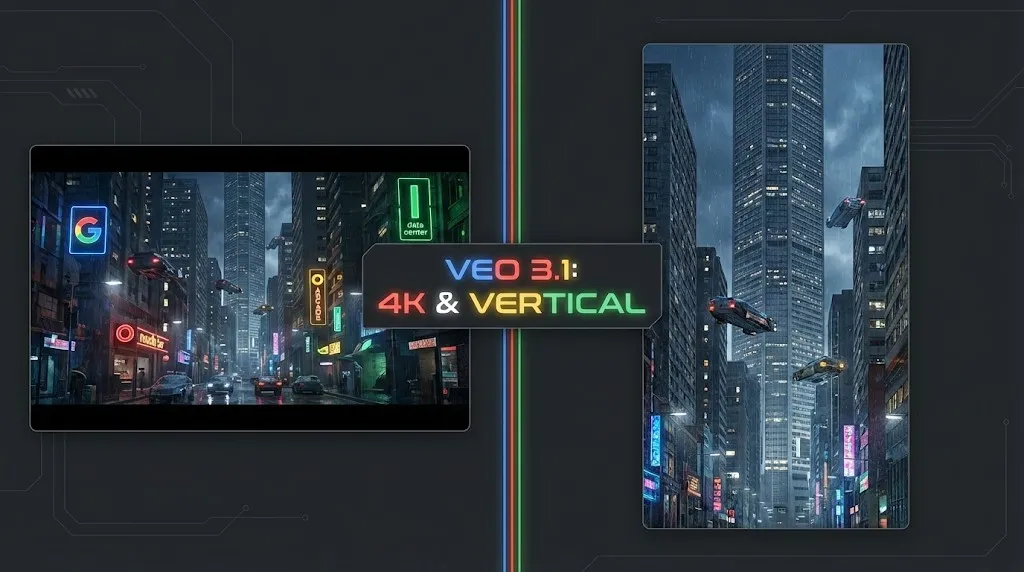
Veo 4 vs Seedance 2.1: Why the Next AI Video War May Be About Cost, Not Cinematic Quality
Seedance 2.1 is reportedly close, Veo 4 is widely expected around Google I/O, and Gemini Omni Flash has appeared inside Flow. The real question is no longer who looks most cinematic, but who lowers the cost of stable, usable output.

Seedance 2.1 May Be Coming Soon: Reported 20% Quality Gain, Cheaper Tier, and What Creators Should Watch
Seedance 2.1 is reportedly close to launch, with claims of a 20% quality improvement and a cheaper Seedance 2.0 tier. Here is what seems known, what is still unconfirmed, and why the update matters.
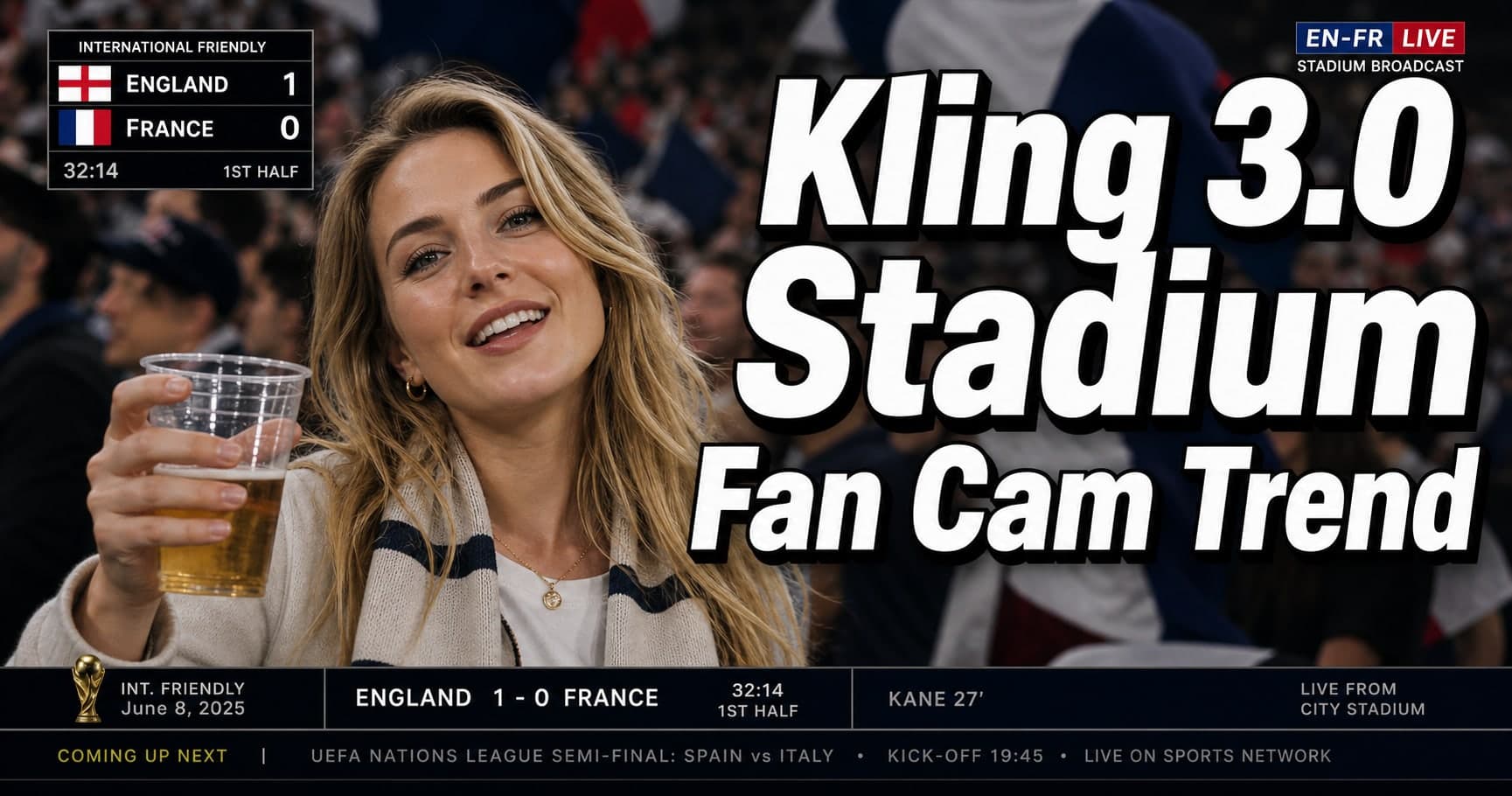
Kling 3.0 Stadium Fan Cam Trend: How to Prompt a Real Broadcast Look
A practical prompt blueprint for the Kling 3.0 stadium fan cam trend: broadcast realism cues, failure fixes, and a safe comparison plan.
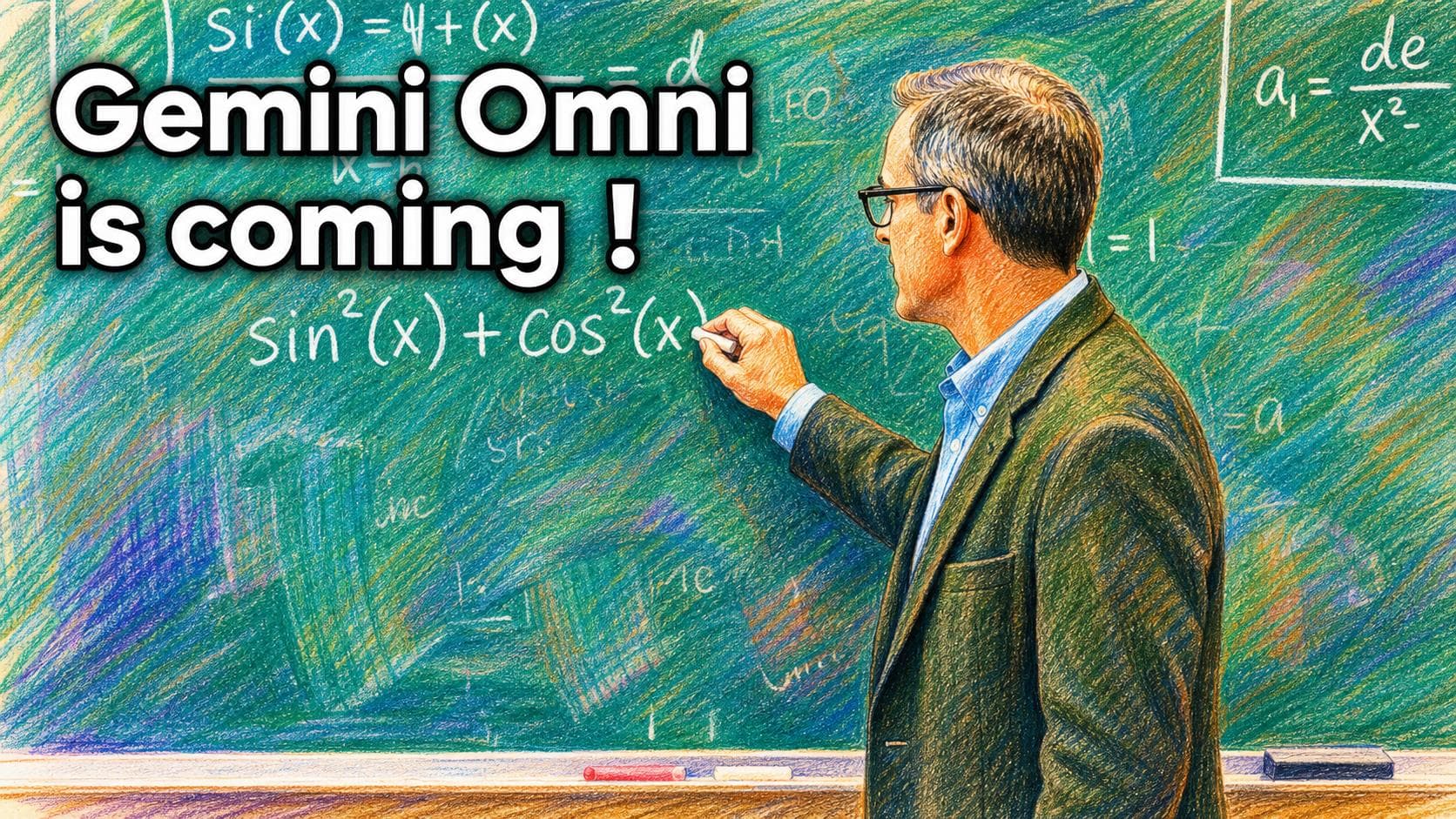
Gemini Omni model: What It Is (and How to Build Safely While It’s Still Unclear)
A practical guide to the Gemini Omni model rumor cycle: what’s confirmed, what’s not, and how to ship video features safely using Veo 3.1 today.
Kling 3 4k Cost Routing
SEO-friendly description for search engines
Kling 3 4K Multi-Shot Consistency: Lock Sheets, Shot Rules, and a Ship-Pass Workflow
SEO-friendly description for search engines
Kling 3 I2V 4K vs T2V 4K: What Ships Cleaner (and What Iterates Faster)
SEO-friendly description for search engines
Kling 3.0 vs HappyHorse 1.0: A Production-First Comparison (Quality, Control, Audio, API)
A production-first Kling 3.0 vs HappyHorse 1.0 comparison: what sources claim, how to read leaderboards, a 30-minute evaluation harness, and a decision matrix for short-form teams.